Easy Flat Christmas Tree Crochet Pattern: Free Tutorial
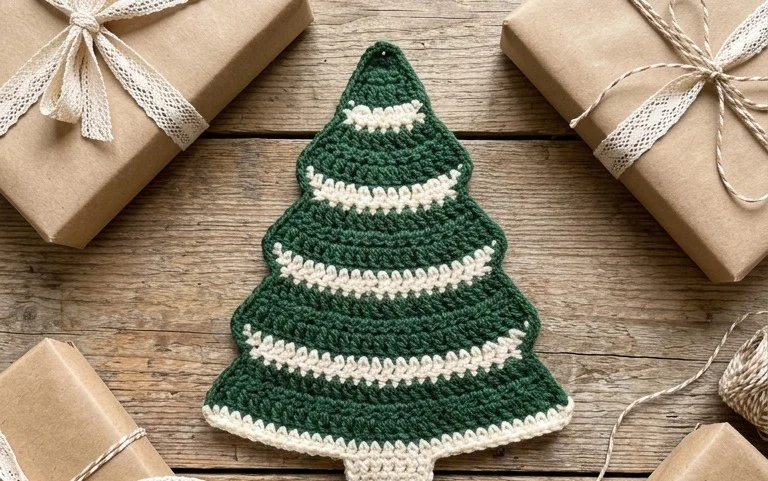
These simple crochet trees sit completely flat, making them a practical addition to your holiday decor for garlands, gift tags, or ornaments. You will notice a firm, triangular shape that holds its form well without needing stiffeners or wires, which makes them quite satisfying to build row by row. Beginners find the straightforward shape manageable because it relies on standard stitches instead of complex construction methods. Whether you want to attach them to presents or hang them from a branch, these soft decorations bring a handmade touch to your home that feels both nostalgic and intentionally minimal.
Why You’ll Love This Pattern
This classic crochet dishcloth relies on the sturdy texture of the thermal stitch, creating a thick, double-layered fabric that holds heat and scrubs effectively. Because it works in a simple, repeating pattern, you can finish a cloth in an hour while watching television or listening to a podcast. It is an ideal project for using up small amounts of leftover cotton yarn from larger projects. Since the construction is purely rectangular, there are no complicated increases or decreases to manage, making it a meditative project for crafters of all skill levels.
I was surprised by how much thicker this thermal stitch cloth is compared to my usual granny stitch cloths. It scrubs stubborn pans without scratching them and dries surprisingly well for such a dense fabric.
— Sarah, home crafter
Pattern Overview & Skill Level
- Skill Level: Beginner
- Approximate Time: 60 to 90 minutes per cloth
- Construction: Worked in flat rows using a repeating thermal stitch pattern
- Finished Dimensions: 8 inches by 8 inches
Materials & Supplies Needed
- Yarn: Worsted weight (#4) 100% cotton yarn, approximately 75 yards per cloth. Cotton is essential for its absorbency and heat resistance.
- Hook Size: 5.0 mm (H-8) crochet hook.
- Notions: Tapestry needle for weaving in ends and scissors.
- Safe Yarn Substitutions: You may use a cotton-acrylic blend, though this will slightly reduce the absorbency of the cloth compared to 100% cotton. Avoid synthetic fibers like acrylic or polyester, as they can melt when exposed to hot cookware.
Stitch Guide & Abbreviations (US Terms)
- ch = chain
- st = stitch
- sc = single crochet
- BLO = back loop only
- htsc = half-thermal single crochet (insert hook into the back loop of the current row and the exposed front loop of the row below, yarn over and pull through both, yarn over and pull through two loops on hook)
Step-by-Step Pattern Instructions
Foundation Row
- Chain 30.
- Row 1: Sc in the second ch from hook and in each ch across. (29 sts).
- Row 2: Ch 1, turn. Sc in the BLO of each st across. (29 sts).
Main Body
- Row 3: Ch 1, turn. Htsc in the BLO of each st across, catching the unworked loop from Row 1. (29 sts).
- Row 4: Ch 1, turn. Htsc in the BLO of each st across, catching the unworked loop from Row 2. (29 sts).
- Repeat: Continue repeating Row 4 until the piece measures 8 inches square. The thermal stitch creates a thick, pillowed fabric.
Finishing
- Fasten off yarn, leaving an 8-inch tail.
- Use a tapestry needle to weave the end securely into the fabric to prevent unraveling during washing.
Care & Washing Instructions
- Machine wash in warm water on a gentle cycle to preserve the shape of the thermal stitches.
- Lay the dishcloth flat on a clean towel to air dry, as tumble drying may cause significant shrinking of natural cotton fibers.
- Reshape the cloth while damp if it appears slightly skewed from the repetitive motion of the thermal stitch.
Pro Tips & Common Mistakes to Avoid
- Maintain consistent tension throughout the project; because the thermal stitch is dense, tight stitches can make it difficult to insert your hook into the loops of the row below.
- Place a stitch marker in the first stitch of every row to ensure you maintain exactly 29 stitches, preventing the edges from tapering inward.
- Weave your ends in multiple directions through the stitches rather than just along the edge to ensure the cloth stays secure after repeated cycles in the washing machine.
- To adjust the size, add or subtract chains in multiples of two; note that increasing the size will significantly increase the total yardage of cotton yarn required.
Frequently Asked Questions
Can I use a larger hook to make the cloth work up faster?
Using a hook larger than 5.0 mm will make the stitches loose, which ruins the thick, scrubby texture of the thermal stitch. Stick to the recommended size to maintain the structural integrity of the project.
Is this pattern suitable for someone who has never crocheted before?
Yes, as long as you are comfortable with basic chains and single crochet stitches. The thermal stitch is repetitive, which is excellent for building muscle memory.
Can I sell the dishcloths I make using this pattern?
You are welcome to sell finished items made from this pattern, provided you credit the design. Do not distribute or sell the written pattern itself.
Why does my cloth look lopsided after a few rows?
This is usually caused by skipping the final stitch of a row or adding an extra stitch at the turn. Always count your stitches at the end of each row to ensure you have 29 loops before turning.
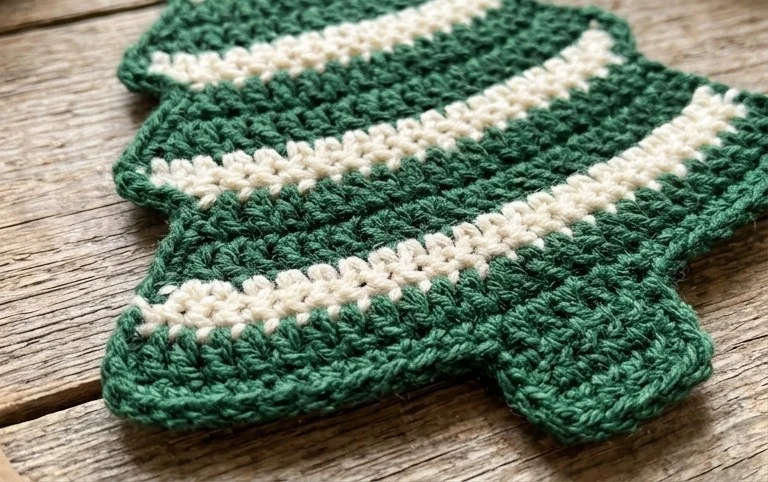
Creating a set of these trees turns simple scraps of yarn into a cohesive collection of festive accents for your mantle or gifts. You can swap the green cotton for a variegated yarn or a metallic blend if you want to experiment with a different aesthetic this year. Tag your photos online so I can see how you styled your finished pieces in your own space. Check back on the blog next week for more seasonal projects and patterns that utilize your leftover yarn collection.