Cute Tiny Hedgehog Amigurumi Free Crochet Patterns
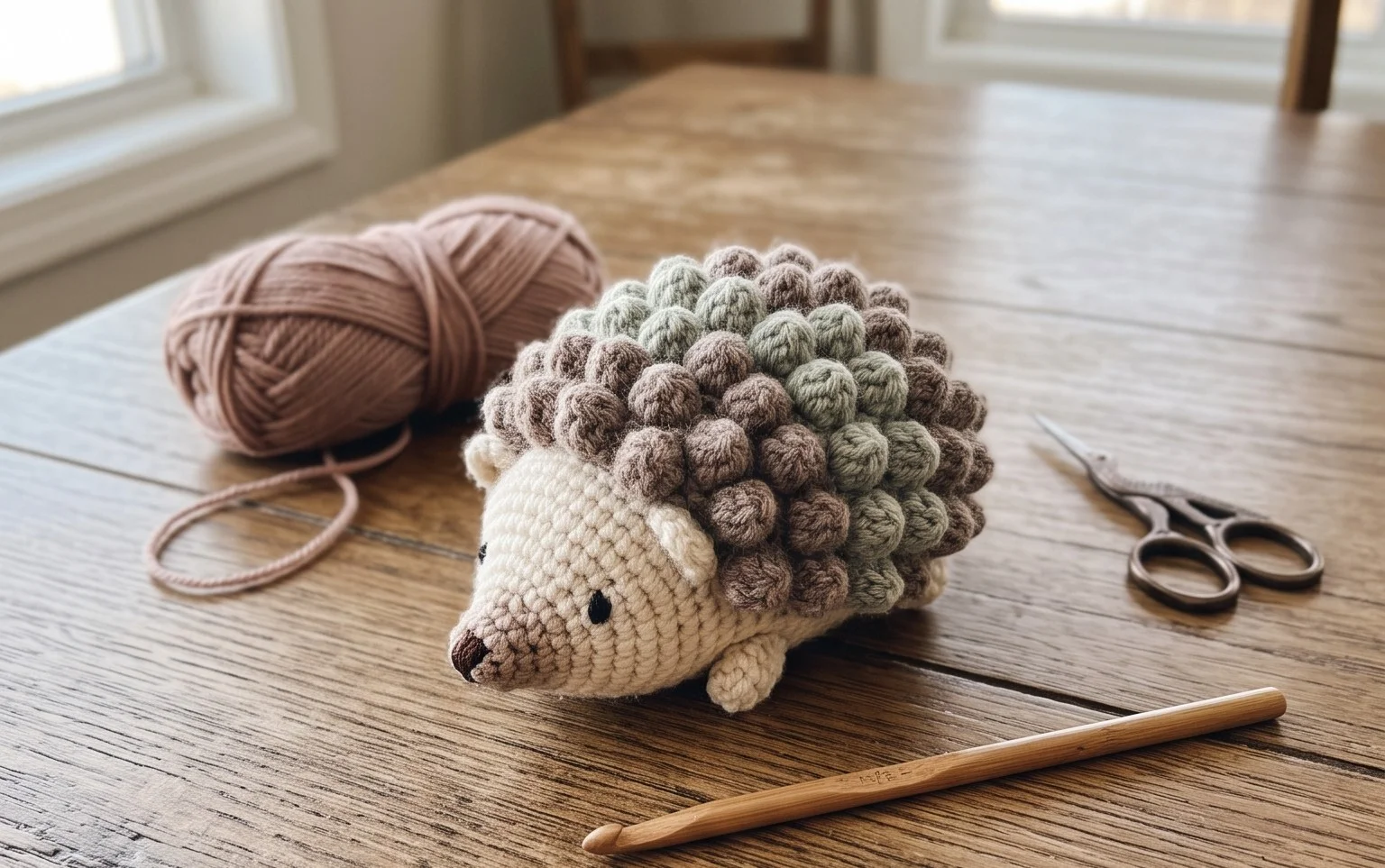
These palm-sized creatures fit comfortably in your hand and feature a soft, fuzzy back created by simple loop stitches. Making these small woodland friends provides a relaxing way to use up leftover yarn scraps from larger projects. Beginners appreciate how quickly the body comes together, while experienced makers enjoy the freedom to customize facial expressions with safety eyes or thread embroidery. You will learn how to maintain even tension while working in continuous rounds, which prevents holes from forming as you stuff your figure. Whether you need a quick gift or a unique desk buddy, these projects offer a satisfying result in an afternoon.
Why This Project Is Worth Making
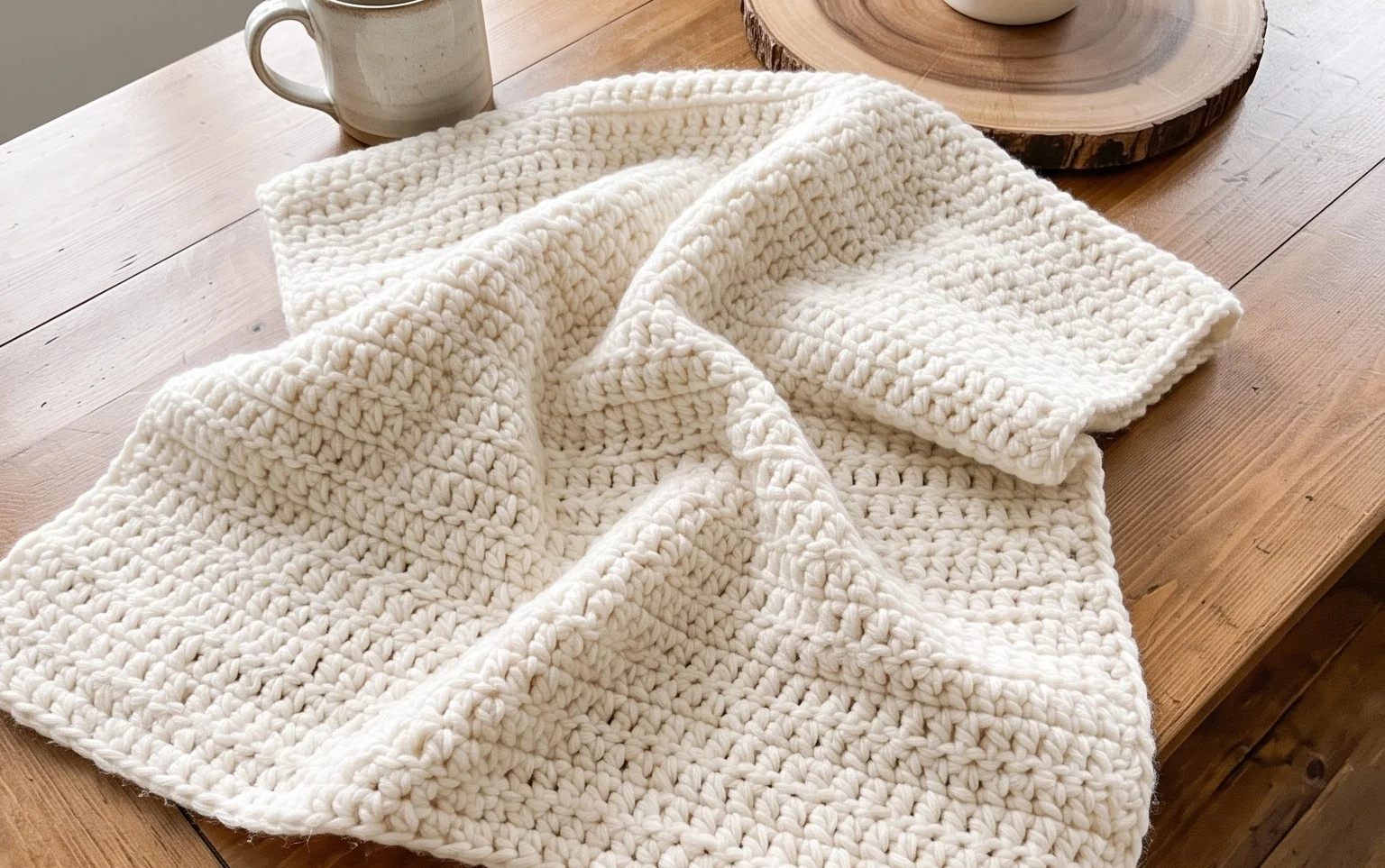
This classic crochet dishcloth is designed to provide a sturdy, scrubby texture that stands up to daily kitchen use. The pattern relies on the moss stitch—a combination of single crochet and chains—which creates a tight yet flexible fabric that cleans surfaces efficiently without becoming overly thick or stiff. It serves as an excellent introductory project for those learning to maintain consistent tension while working with cotton yarn. Because it is a small, portable square, you can complete a finished cloth in a single evening, making it ideal for clearing out small balls of cotton scrap yarn.
I was able to whip up a stack of these for my housewarming gifts in just a weekend. The texture is much better for scrubbing pans than the store-bought ones I used to buy.
— Sarah, home crafter
Pattern Overview & Skill Level
- Skill Level: Beginner
- Approximate Time: 1–2 hours per cloth
- Construction: Worked in rows from the bottom up, turning after each row
- Finished Dimensions & Sizing: Approximately 8 x 8 inches, adjustable based on starting chain
Materials & Supplies Needed
- Yarn: Worsted weight #4, 100% cotton, approximately 60 yards per cloth. Cotton is preferred over acrylic for this project as it is absorbent and heat-resistant.
- Hook Size: 5.0 mm (H-8) crochet hook to ensure a dense, sturdy weave.
- Notions needed: Tapestry needle for weaving in ends, sharp scissors.
- Safe yarn substitutions: You can use a cotton-linen blend for added durability, though this may make the yarn feel slightly stiffer. Avoid using wool or superwash wool, as these fibers will felt or lose their shape when used for scrubbing dishes.
Stitch Guide & Abbreviations (US Terms)
- ch = chain
- sc = single crochet
- st(s) = stitch(es)
- sk = skip
- turn = turn your work to the opposite side
- Moss Stitch: A technique where you work single crochet stitches into the chain-space of the previous row.
Step-by-Step Pattern Instructions
Main Dishcloth Body
- Row 1: Ch 32. Sc in the 4th ch from the hook. *Ch 1, sk 1 ch, sc in the next ch. Repeat from * across to the end of the row. (30 sts)
- Row 2: Ch 2, turn. Sc in the first ch-1 space. *Ch 1, sk the sc, sc in the next ch-1 space. Repeat from * across, ending with a sc in the turning chain space. (30 sts)
- Rows 3–30: Repeat Row 2 until the piece measures approximately 8 inches from the starting edge.
- Finishing: Fasten off the yarn, leaving a 6-inch tail. Use a tapestry needle to weave the tail back and forth through the back of the stitches to secure it firmly.
Care & Washing Instructions
- Machine wash your cotton dishcloths in warm water on a gentle cycle to remove oils and food residue.
- Lay the cloths flat on a clean towel to air dry, which helps them maintain their square shape.
- Reshape the cloth by pulling gently on the corners while it is damp if it has become slightly distorted during use.
Pro Tips & Common Mistakes to Avoid
Maintain even tension throughout the row, especially on the chain stitches, so the edges stay straight rather than curling inward. Use a stitch marker on the first stitch of each row to help you identify where to place your final stitch; this prevents the edge from accidentally decreasing over time. Weave your ends in multiple directions—horizontally, vertically, and diagonally—to ensure the yarn does not pull out after repeated washing. If you want to make a larger dishcloth, simply ensure your starting chain is an even number; adding two chains will increase the width by approximately one-half inch.
Frequently Asked Questions
Can I use a different yarn weight for this pattern?
You can use DK or bulky weight cotton, but you will need to adjust your starting chain count to meet your desired width. A thinner yarn will result in a smaller, thinner cloth, while a bulkier yarn will produce a thicker, heavier cloth.
Is this pattern suitable for complete beginners?
Yes, this is an ideal first project. It teaches the fundamentals of holding a hook, controlling tension, and understanding stitch placement without the complex increases or shaping found in more advanced garments.
Why does my dishcloth look like a trapezoid?
This usually happens if you are missing stitches at the end of the rows. Always count your stitches at the end of every row to ensure you have the same number, and use a stitch marker in the first stitch of the row to keep track of your starting point.
Can I sell the dishcloths I make from this pattern?
You are welcome to sell finished items made from this pattern as long as you use your own photographs and credit the design. Please do not redistribute or sell the written pattern itself.
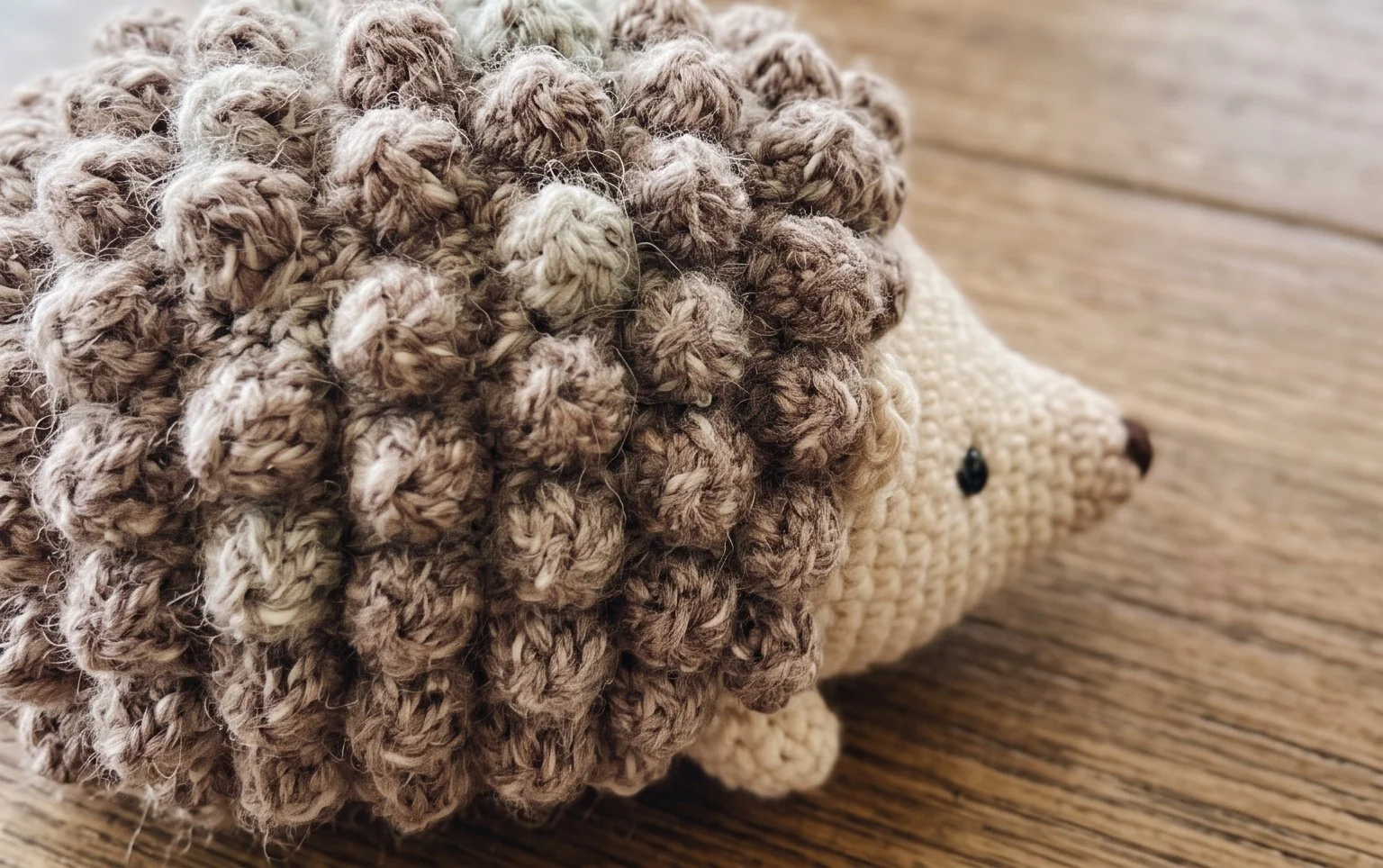
Your new crochet companion looks great sitting on a bookshelf or tucked into a gift basket for a friend. You might consider using a variegated mohair yarn for the back to give your creature a more realistic and wild appearance. Posting a picture of your finished work helps others find inspiration for their own yarn stash projects. Browse through the rest of the blog for more animal figures and small accessories that use these same basic construction skills to build your handmade collection.