Free Fountain Flower Granny Square Crochet Pattern
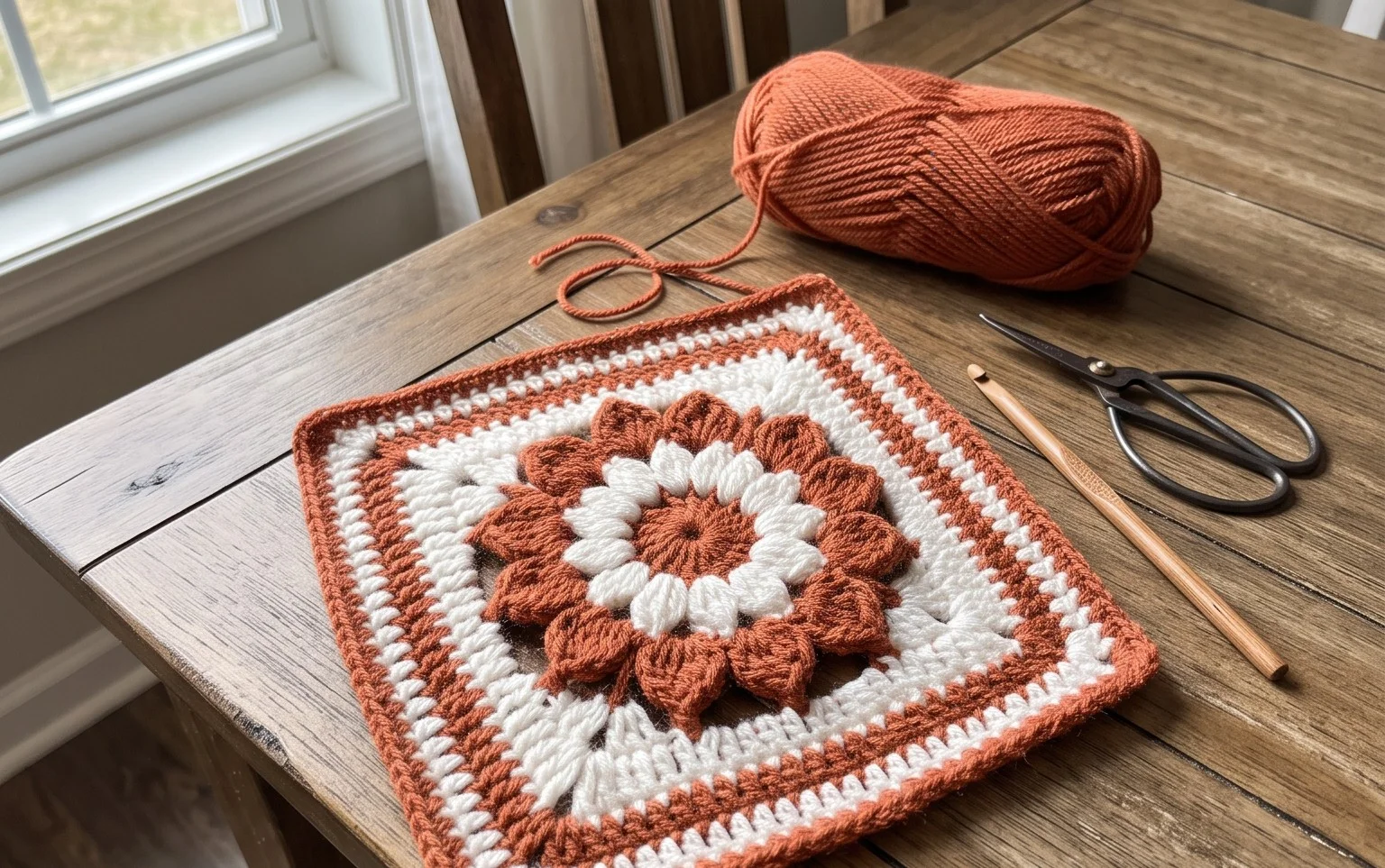
This square combines a soft, rounded center with crisp, angular edges that make it a joy to hold while you work. It feels substantial in the hand because of the specific stitch tension required to build the floral motif. Beginners find this project approachable because it relies on standard stitches rather than complex cabling or unusual yarn overs. You will learn to manage tension during the color changes that define the petal layers. Once finished, these squares assemble into blankets or pillows that bring a clean, organic look to your living room. The process remains meditative, moving from the center outward until the shape clicks into place with every completed round.
Why You’ll Love This Pattern
This classic crochet dishcloth is designed with a durable texture that performs exceptionally well in the kitchen. Using a blend of single and double crochet stitches, the fabric creates small ridges that help scrub away dried food and residue from plates and cookware. It is a quick project that takes less than an hour to complete, making it ideal for clearing out leftover cotton yarn from your stash. The finished square is absorbent, easy to wring out, and holds its shape through repeated high-temperature cycles in the washing machine.
I managed to finish three of these in one afternoon while watching a movie. They are much sturdier than the store-bought sponges I used to buy.
— Sarah, home crafter
Pattern Overview & Skill Level
- Skill Level: Beginner
- Approximate Time: 45 minutes
- Construction: Worked in flat rows, turning at the end of each row
- Finished Dimensions: 8 inches by 8 inches
Materials & Supplies Needed
- Yarn: Worsted weight (#4) 100% cotton yarn, approximately 50 yards per cloth. Cotton is essential for absorbency and heat resistance.
- Hook Size: 5.0 mm (H-8) crochet hook to ensure a dense, sturdy fabric.
- Notions: Tapestry needle for weaving in ends and scissors.
- Safe Yarn Substitutions: You may use a cotton-linen blend, which will make the cloth slightly stiffer but more durable. Avoid acrylic yarns, as they are non-absorbent and will not function well for cleaning tasks.
Stitch Guide & Abbreviations (US Terms)
- ch = chain
- sc = single crochet: insert hook into stitch, yarn over, pull up loop, yarn over, pull through both loops on hook.
- dc = double crochet: yarn over, insert hook into stitch, yarn over, pull up loop, yarn over, pull through two loops, yarn over, pull through remaining two loops.
- st = stitch
- turn = turn your work to begin the next row.
Step-by-Step Pattern Instructions
Dishcloth Base
- Row 1: Chain 29. Starting in the second chain from the hook, work 1 sc in each chain across. Turn. (28 sts)
- Row 2: Chain 2 (does not count as a stitch). Work 1 dc in the first stitch and every stitch across. Turn. (28 sts)
- Row 3: Chain 1. Work 1 sc in the first stitch and every stitch across. Turn. (28 sts)
- Rows 4–27: Repeat Rows 2 and 3. Ensure you maintain a consistent tension so the edges remain straight.
- Row 28: Repeat Row 2. After completing the final stitch, fasten off by cutting the yarn and pulling the tail through the remaining loop.
Finishing
Thread your tapestry needle with the remaining tail of yarn. Weave the tail back and forth through the stitches on the back side of the dishcloth, moving in a zig-zag pattern to ensure it is secure. Trim the excess yarn close to the fabric surface. Repeat this process for the starting tail at the foundation chain.
Care & Washing Instructions
- Machine wash in warm water up to 140°F (60°C) with like colors.
- Tumble dry on medium heat or lay flat to dry to prevent shrinking.
- Reshape the square by pulling gently on the edges while the fabric is damp.
Pro Tips & Common Mistakes to Avoid
- Tension control is important for this pattern; if your stitches are too loose, the dishcloth will lose its scrubbing ability and stretch out of shape quickly.
- Place a stitch marker in the first stitch of every row to ensure you do not accidentally drop stitches at the edges, which would cause the square to become trapezoidal.
- Weave your ends in multiple directions—horizontally, vertically, and diagonally—to prevent the yarn from fraying out after several trips through the laundry.
- To adjust the size, add or subtract foundation chains in increments of two, but note that increasing the size will increase the total yardage required for the project.
Frequently Asked Questions
Can I use acrylic yarn instead of cotton?
It is not recommended. Acrylic yarn is synthetic and plastic-based, meaning it will repel water rather than absorbing it, making it ineffective as a cleaning cloth.
How do I make the dishcloth larger?
Simply add more chains to your foundation row. If you want a 10-inch dishcloth, add chains until the foundation reaches your desired width, then follow the stitch pattern until the length matches the width.
Are these dishcloths safe to sell?
Yes, you may sell items made from this pattern. Check your local labeling requirements, as many regions require you to state the fiber content and care instructions on the final product.
Why do my edges look wavy?
Wavy edges usually occur when your tension is inconsistent or if you are accidentally adding extra stitches at the end of each row. Always count your stitches at the end of every row to ensure you have exactly 28.
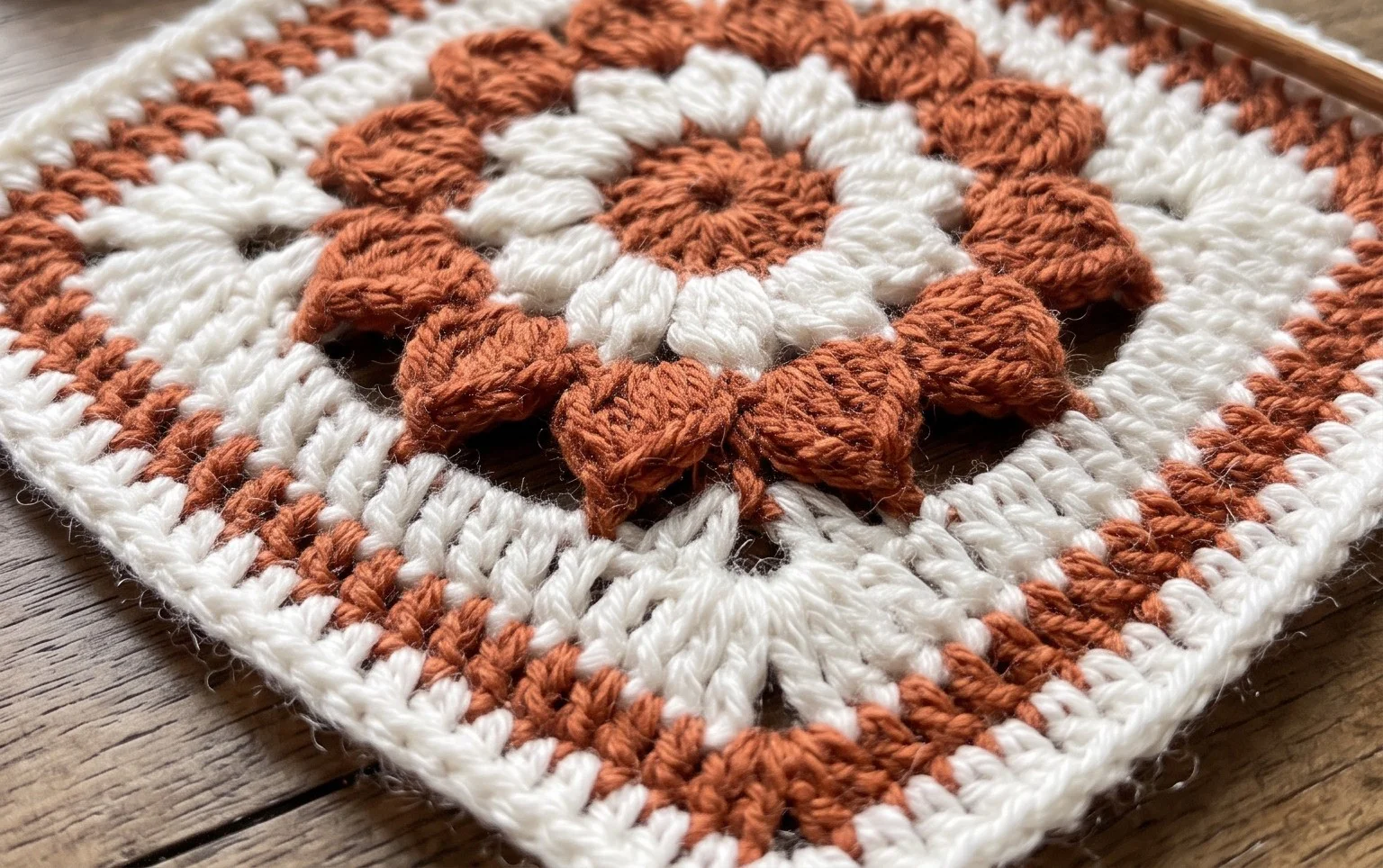
Your finished square now acts as a beautiful building block for larger projects like blankets or tote bags. Try changing the yarn to a bamboo blend for a softer, slightly drapier finish on your next attempt. Sharing a photo of your work on social media helps other makers see how different color combinations change the look of the motif. My blog contains many more free patterns to help you continue growing your skills. Keep your tension consistent and enjoy the process of turning simple cotton yarn into something useful and lovely.